
The Benefits of High Frequency Argon and Neon
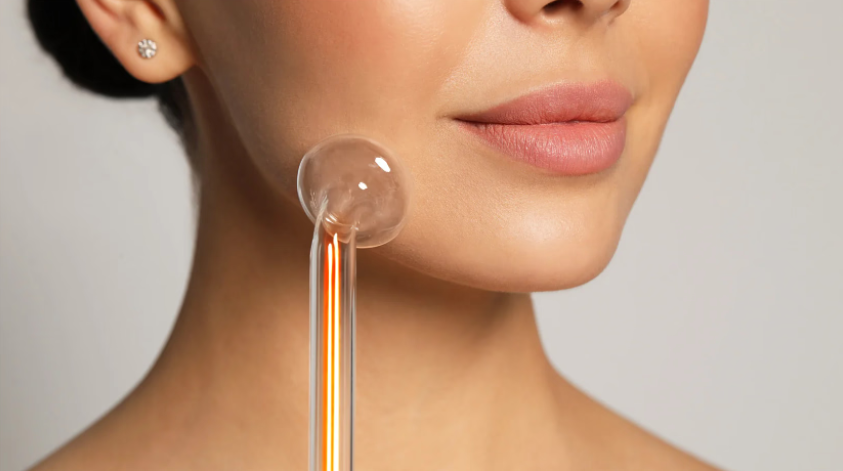
Did you know high frequency facials have been used for over 100 years in skincare treatments? First introduced by Nikola Tesla in the late 1800s, high frequency therapy has evolved into a reliable, gentle solution for acne, aging, and dull skin—still going strong in professional skincare today. And at the heart of this buzzing facial magic? Two gases: Argon and Neon.
With the growing popularity of non-invasive, device-based skincare, high frequency therapy is getting the attention it deserves—and for good reason. Whether you’re dealing with breakouts, dull skin, or early signs of aging, understanding the benefits of Argon and Neon high frequency therapy can help you make smarter choices for your skin.
In this guide, we’ll break down what high frequency therapy is, explore the differences between Argon and Neon, and explain why these treatments remain an esthetician favorite. Let’s dive in.
What Is High Frequency Therapy?
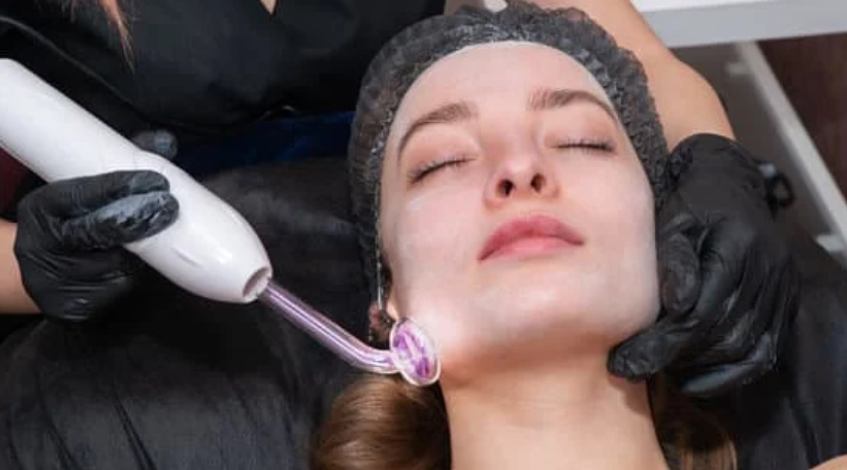
High frequency therapy uses electrical currents through glass electrodes filled with inert gases (Argon or Neon) to generate a gentle thermal effect and stimulate the skin. This technique enhances oxygen levels in the skin, increases circulation, and supports natural cell functions.
Here’s how it works:
- Electrodes are filled with gas: Either Argon (violet/blue) or Neon (red/orange).
- When applied to the skin: A mild electrical current passes through the electrode.
- Oxygenation occurs: The current produces a small amount of ozone, purifying the skin and killing bacteria.
- Result: Improved skin tone, texture, and health—without harsh chemicals or downtime.
Argon vs. Neon: What’s the Difference?
Although both gases are used in high frequency therapy, each delivers different benefits based on how they interact with the skin.
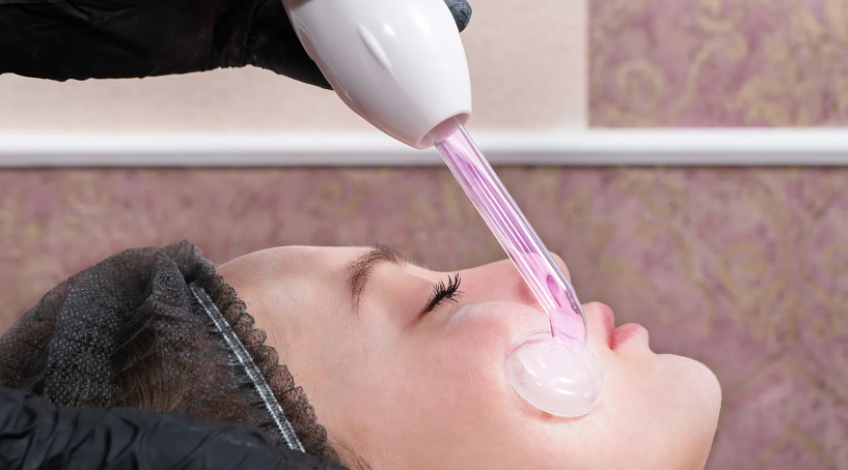
Argon Gas (Violet/Blue)
Perfect for oily, acne-prone skin.
- Destroys acne-causing bacteria
- Reduces inflammation and redness
- Balances oil production
- Ideal for active breakouts and congested pores
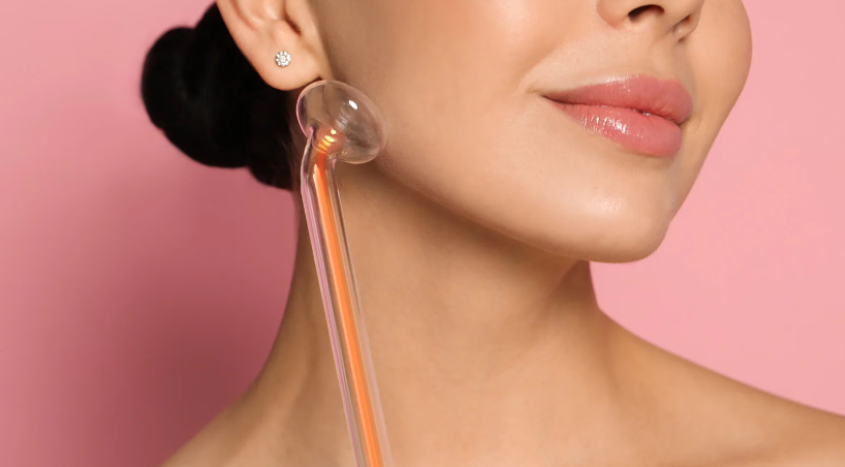
Neon Gas (Red/Orange)
Perfect for mature, dry, or sensitive skin.
- Stimulates circulation and increases cell turnover
- Boosts collagen and elastin production
- Helps reduce fine lines and wrinkles
- Revives tired or aging skin
The Top Benefits of High Frequency Facials
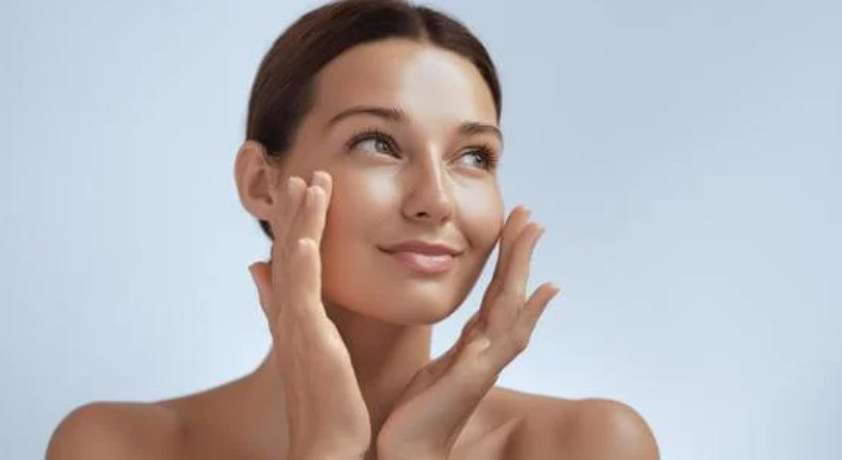
High frequency therapy offers a range of benefits no matter your skin type. Here’s what consistent treatments can do:
1. Clearer Skin & Fewer Breakouts
- Oxygenates skin and kills acne bacteria
- Minimizes inflammation
- Speeds healing of active blemishes

facials
Express to Elite and everything in between.
A fresh take on facials for all.

Memberships
According to girl math, it's basically free.
All glow, no guilt. Smile, you're saving money!

monthly specials
Don't blink, you might miss it.
Monthly specials mean limited-time facials, add-ons, and pricing that don't stick around forever.


