
What Happens in the Process of a Chemical Peel?
Chemical peels are a popular skincare treatment that can transform your complexion by revealing smoother, brighter, and more even-toned skin. But what actually happens during a chemical peel? How does the process work, and what should you expect before, during, and after the treatment? In this blog post, we’ll walk you through the entire chemical peel process, highlight essential dos and don’ts, and answer some of the most frequently asked questions. Special thanks to Rylee Morain for the inspiration from her insightful Instagram post on the topic.
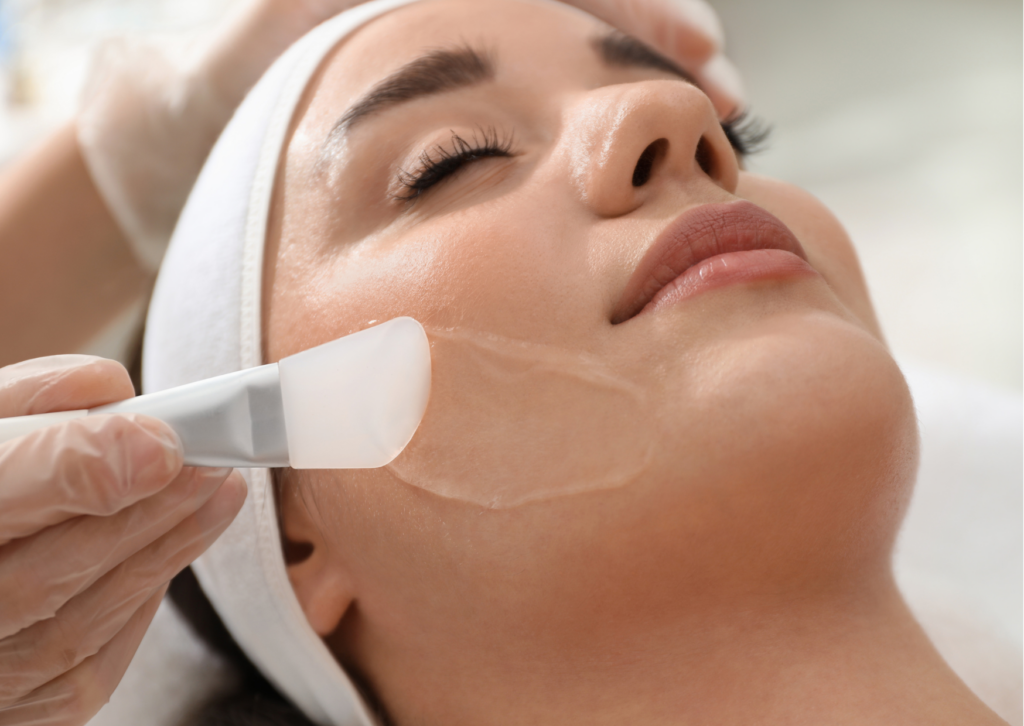
What Is a Chemical Peel?
A chemical peel is a skin-resurfacing procedure that uses a chemical solution to exfoliate the outer layers of the skin. This process stimulates cell turnover, promoting healthier, fresher skin underneath. Chemical peels can address various skin concerns such as acne scars, hyperpigmentation, fine lines, and uneven texture.
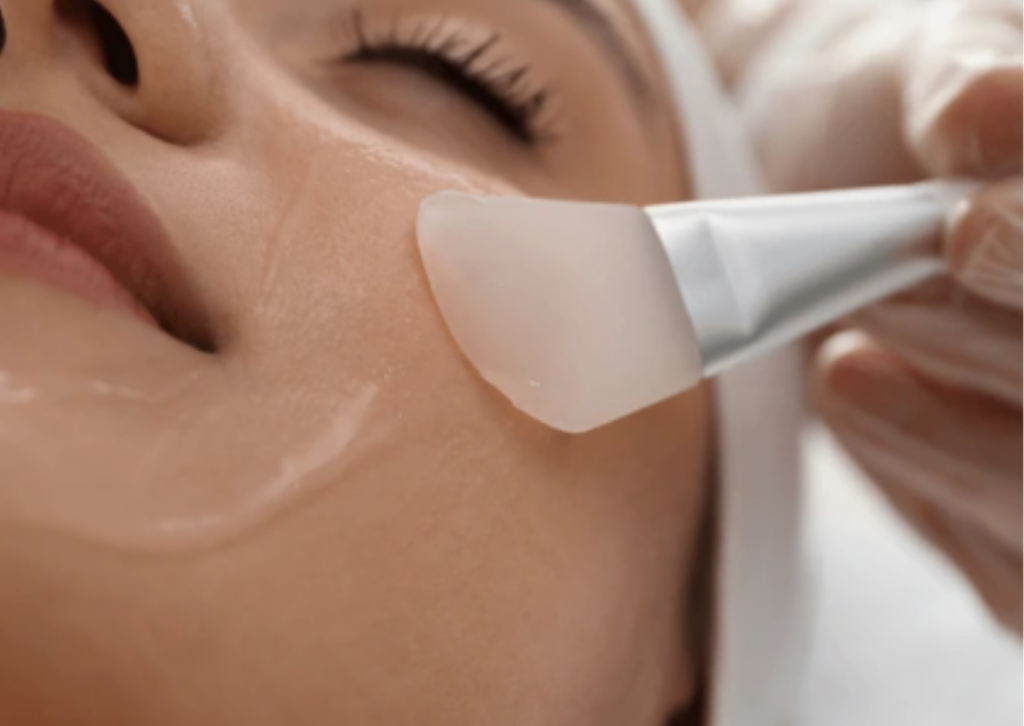
The Process of a Chemical Peel: Step-by-Step
1. Consultation and Skin Analysis
Before undergoing a chemical peel, you’ll meet with a licensed esthetician to discuss your skincare goals and assess your skin type. This step ensures the peel is customized to your needs.
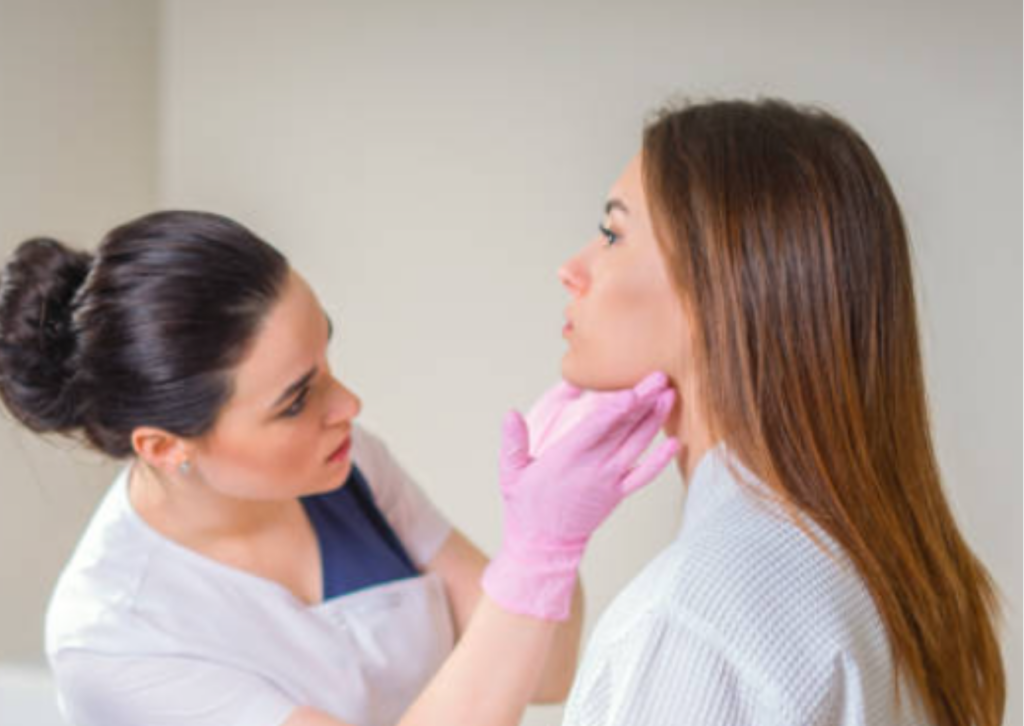
2. Pre-Peel Preparation
Preparation is crucial for optimal results and to minimize risks. Your esthetician will advise you to avoid certain products and activities, including:
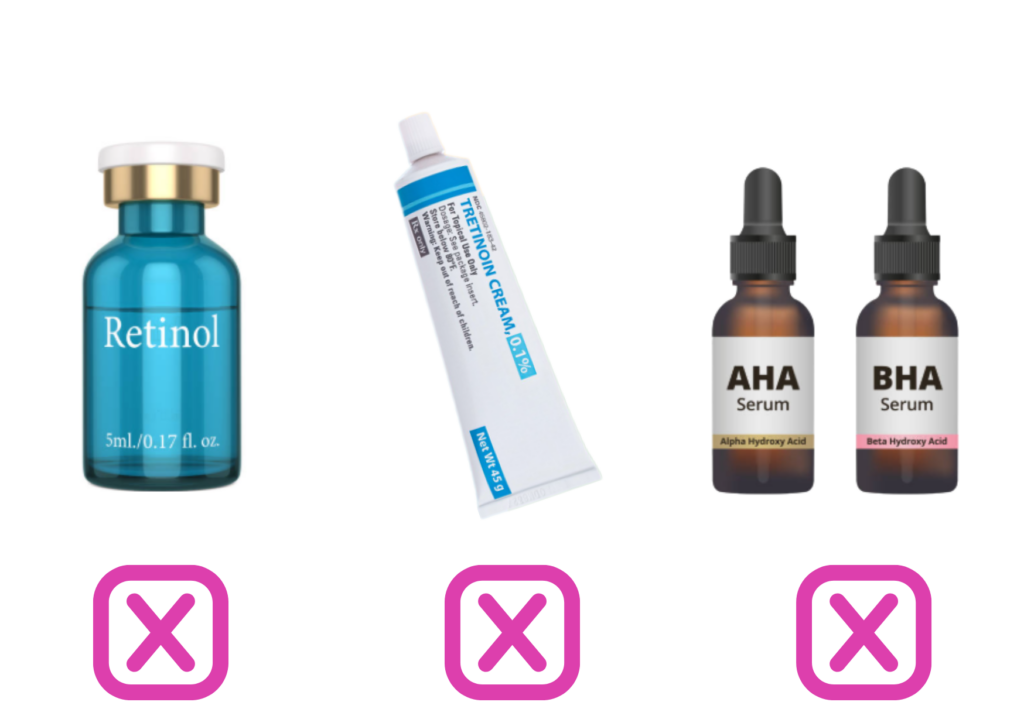
- No Retinols, Tretinoin, AHA/BHA for 7 days prior to the peel: These ingredients can cause over-exfoliation of the skin.
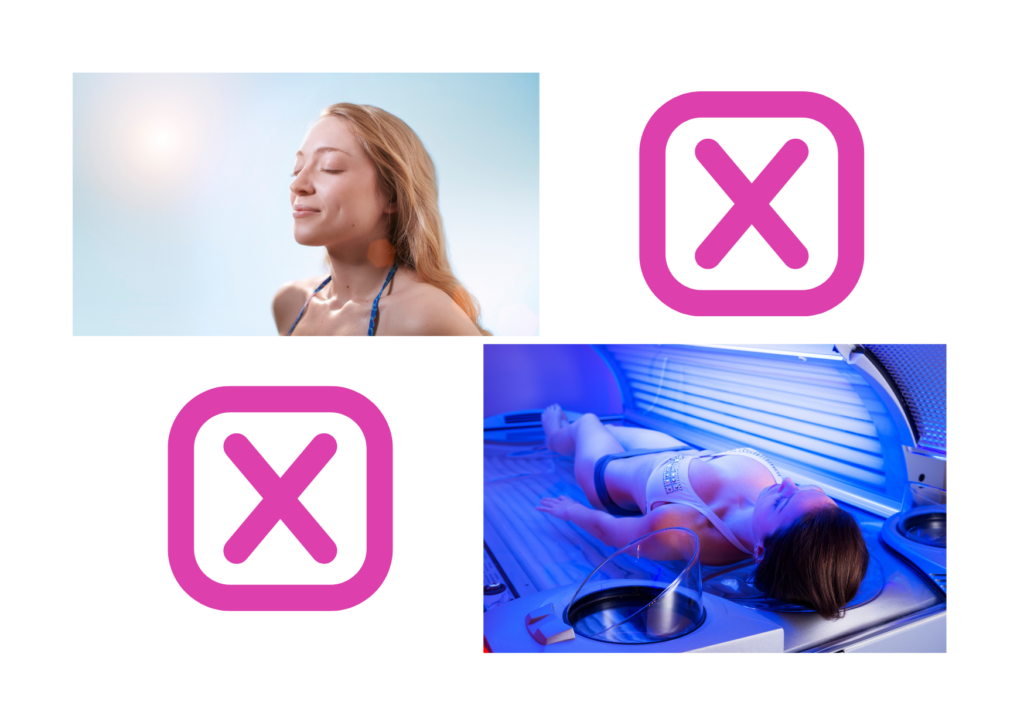
- No Sun Exposure or Tanning Beds for 10-14 days after treatment: Sun damage can lead to uneven results or deeper burns due to the vulnerability of the new skin.
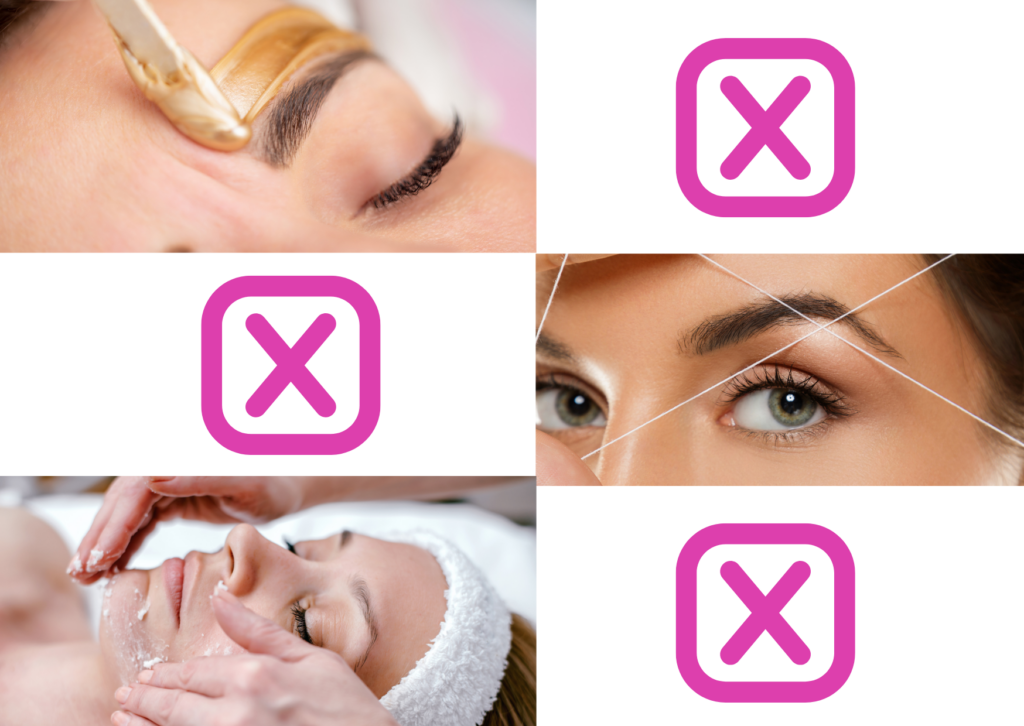
- No Waxing, Threading, or Exfoliation: The skin needs time to fully turnover and it needs to remain intact before the peel.
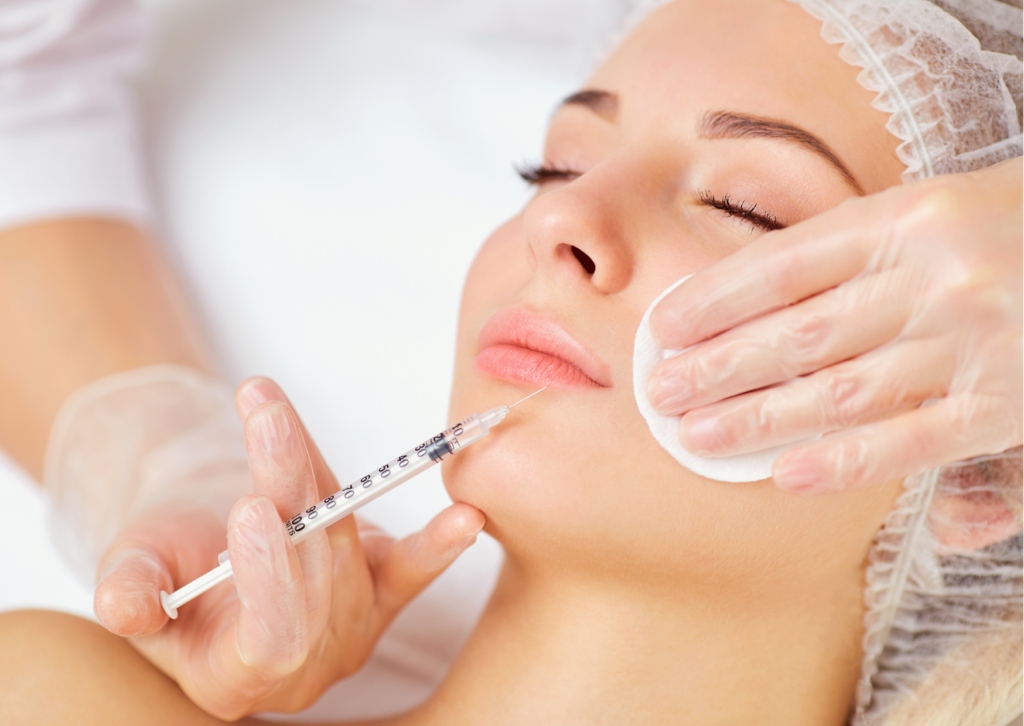
- No Botox/Fillers (1 week before/after): These treatments can shift or be moved in the process of having the facial massage or moving the skin during product application.
3. Cleansing and Application
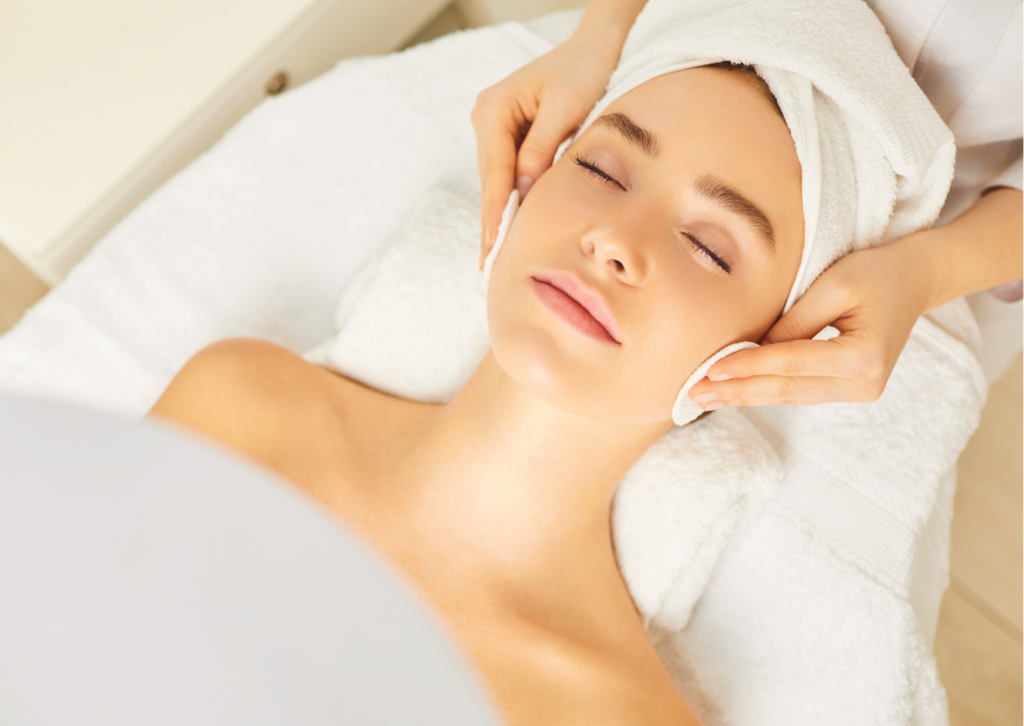
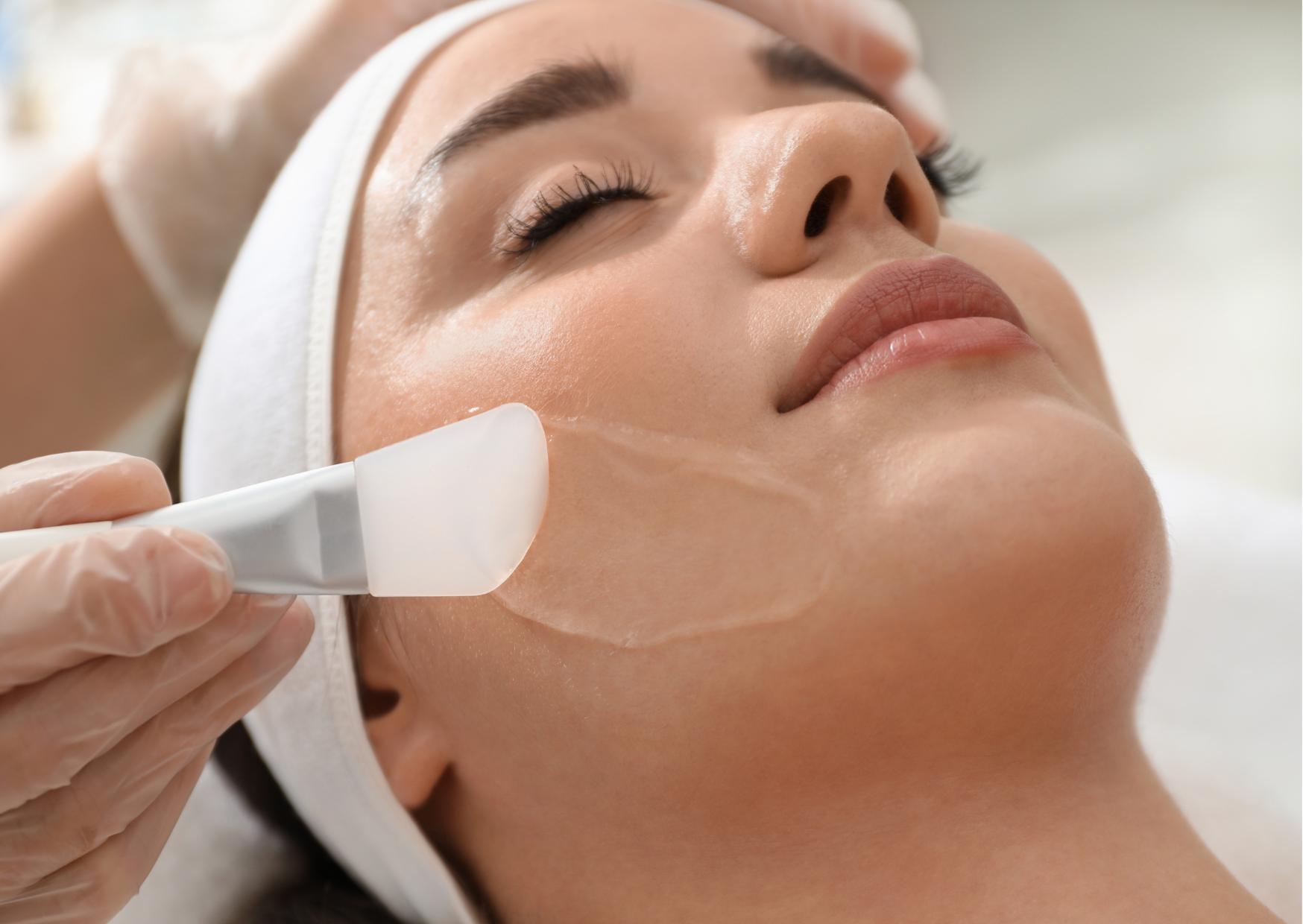
On the day of your peel, your skin will be cleansed to remove oils, makeup, and impurities. Next, the chemical solution is applied evenly. The solution may contain ingredients like glycolic acid, salicylic acid, or trichloroacetic acid (TCA), depending on the peel type.
4. The Frosting Effect
As the peel works, you may notice a phenomenon called “frosting.” This occurs when the acids coagulate proteins on the skin’s surface, creating a white, frost-like appearance. Frosting indicates that the peel is effectively exfoliating the skin to promote renewal.
Does it hurt? Most clients experience mild tingling, warmth, or stinging during the application. The intensity depends on the peel’s strength and your skin sensitivity.
5. Post-Peel Care and Recovery
After the peel, your skin may feel tight and appear red. Peeling typically starts within 2–3 days and lasts about a week, depending on the peel depth. Post-treatment care includes:
- Daily SPF: Protect your skin with broad-spectrum sunscreen.
- Moisturize Regularly: Keep your skin hydrated to ease dryness by drinking plenty of water (1/2 to 1 oz of water per lb of body weight).
- No Picking or Peeling: Let the skin shed naturally.
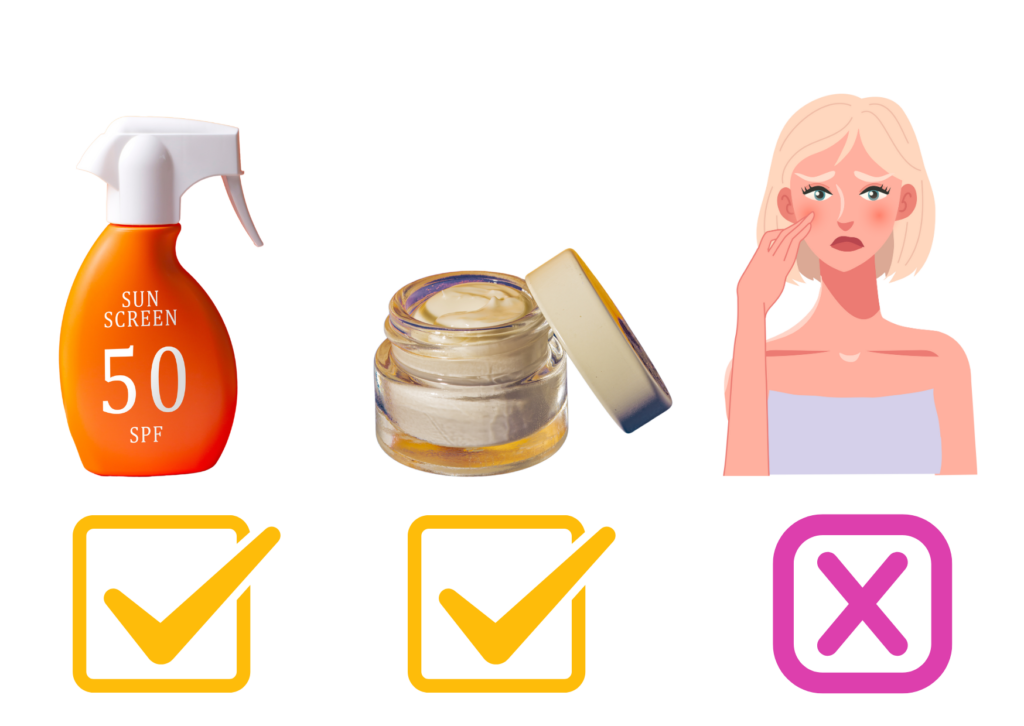
The Do’s and Don’ts of Chemical Peels
✅ Do’s:
- Consult a Professional: Always work with a licensed esthetician.
- Follow Pre- and Post-Care Instructions: Adhere to guidelines for safe, effective results.
- Use SPF Every Day: Sun protection is non-negotiable after a peel.
❌ Don’ts:
- Don’t Use Active Ingredients Too Soon: Avoid retinoids, AHAs, and BHAs until cleared by your esthetician.
- Don’t Expose Skin to Sun or Heat: Avoid direct sunlight, hot showers, and saunas.
- Don’t Pick at Peeling Skin: Picking can cause scarring and infection.
FAQs About Chemical Peels
1. Does a chemical peel hurt? Mild discomfort like tingling or warmth is normal. Your esthetician will monitor your comfort throughout the process.
2. Will my entire face peel off? Not necessarily. Peeling varies depending on the peel type and your skin’s response. Some people experience light flaking, while others see more significant shedding.
3. How often should I get a chemical peel? This depends on your skincare goals and the peel’s strength. Light peels can be done monthly, while deeper peels require more time between treatments.
Conclusion:
A chemical peel is a powerful treatment to rejuvenate your skin when done safely and correctly. Understanding the process and following the recommended do’s and don’ts will help you achieve a radiant, healthy complexion. If you’re considering a chemical peel, consult with our experts at Bubbly Facial Bar to get started.
For a full winter skincare routine to keep your skin radiant and hydrated, check out our Complete Winter Skincare Checklist for Radiant and Hydrated Skin.

facials
Express to Elite and everything in between.
A fresh take on facials for all.

Memberships
According to girl math, it's basically free.
All glow, no guilt. Smile, you're saving money!

monthly specials
Don't blink, you might miss it.
Monthly specials mean limited-time facials, add-ons, and pricing that don't stick around forever.


